Advanced Lab

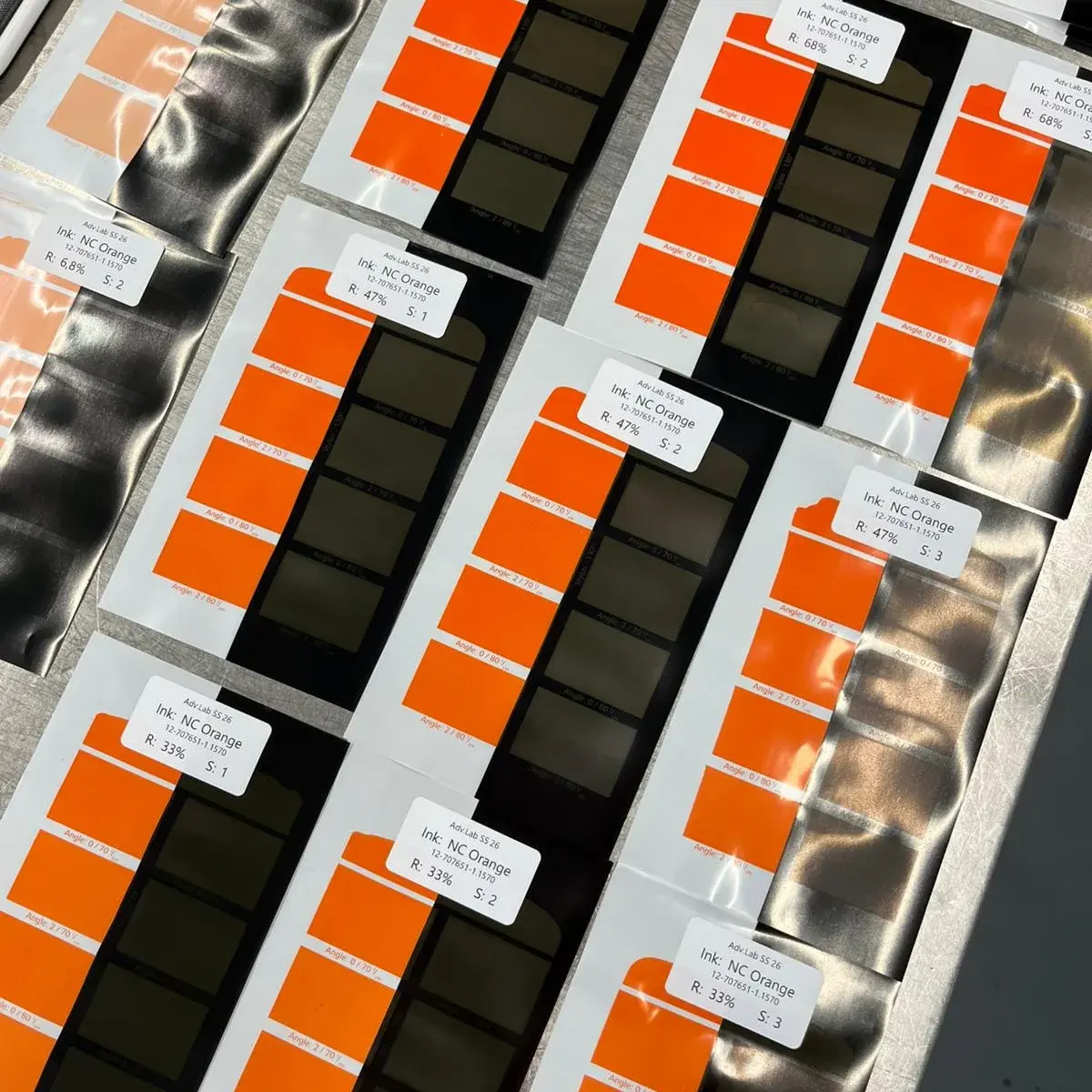
Lay down of an ink series
The objective of this advanced lab was to create a laydown of 4 basic inks (cyan, magenta, yellow, and black) together with an extender for ink recipe formulation. The samples were printed on black-and-white film and paper substrates using the RK Print proofer and Rotomec MW 60 gravure press.
Why do we need a laydown of an ink series?
Relying purely on printer’s visual assessment leads to multiple correction cycles and results in stopping the press, adjusting the ink formulation, and producing additional waste material. Additionally, accurate color reproduction is an important requirement in packaging printing. Spot colors required by brands cannot be adequately reproduced with standard process inks alone. The behavior of the individual basic inks must first be characterized and stored in a database for accurate recipe production. This process is known as the laydown of an ink series.
What we did?
• Created thinning curves for each basic ink to understand their viscosity behavior.
• Printed proofs of each ink with different layer thicknesses on black-and-white film substrate.
• Measured the proof prints and uploaded the data into the color formulation software.
• Printed customized ink recipes on film and paper using both RK Print proofer and Rotomec MW 60 gravure press.
• Analyzed the differences to check if the recipes produce sufficient results.
Superviser
Prof. Dipl.-Phys. Armin Weichmann
Participants
Sofia Hagman, Alaa Ibrahim, Luisa Chan Leineweber, Eduardo Rojas, Liliia Mykhailenko, Annika Nürk
Product Developement
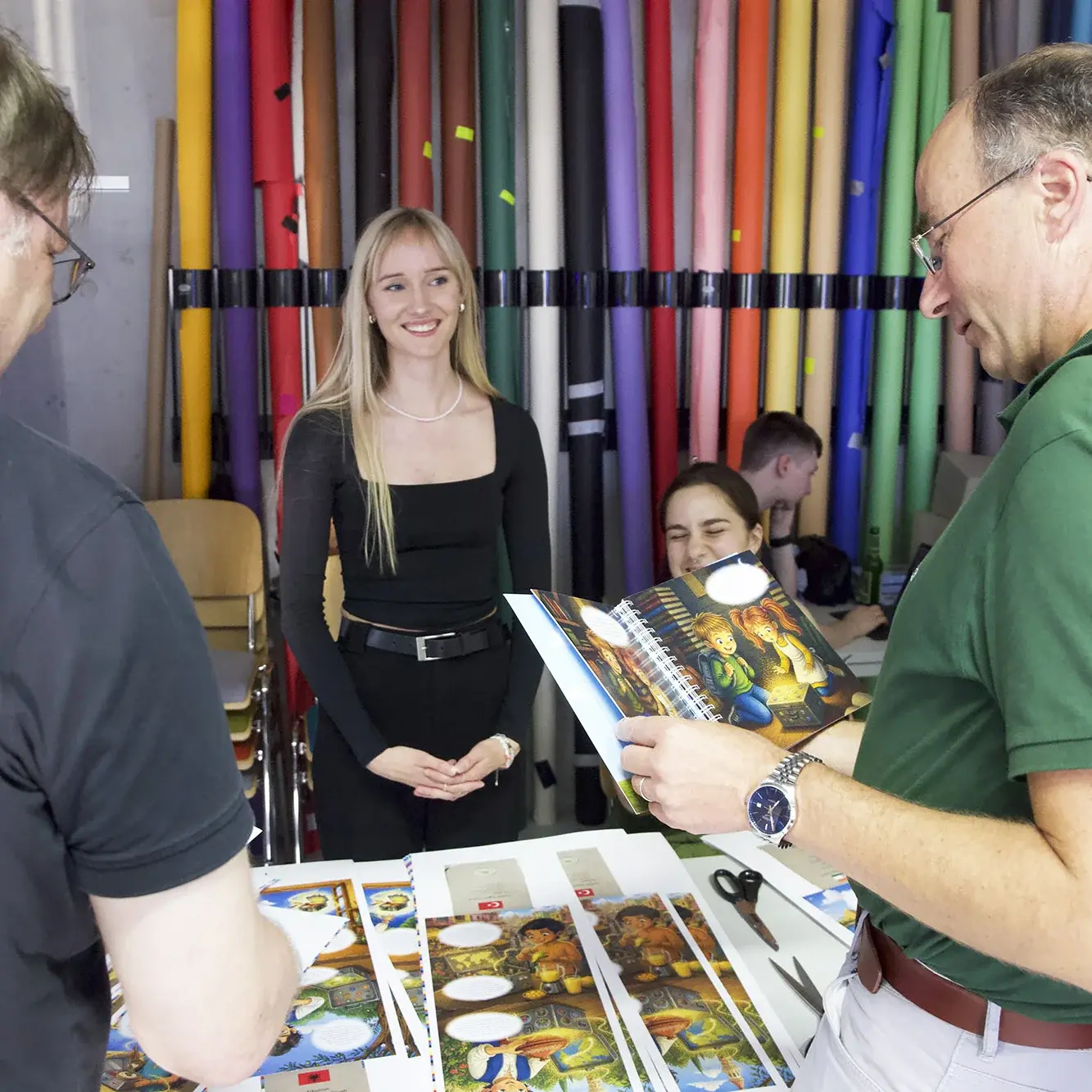
Around the World in 10 Bites
How can food bring people together? This question inspired an interdisciplinary project that accompanied our students over two semesters in our Production Development courses.
The result is a unique children's cookbook that combines storytelling, illustration, product design, and print production. Written entirely by our students without the use of AI, the book follows the adventures of two children who discover a magical lunchbox. The enchanted lunchbox takes them on a journey around the world, where they collect recipes from children of different cultures. Along the way, they discover that while traditions may differ, the joy of sharing and preparing delicious food is something that connects children everywhere. The story concludes with a festive celebration where everyone comes together to enjoy the dishes they have prepared.
What makes this cookbook especially meaningful is that every recipe originates from one of the home countries of our students. As an international English-taught degree program, our classrooms typically bring together students from 20 to 30 different nationalities each semester. This cultural diversity is one of our greatest strengths, enriching both our academic environment and our everyday interactions. The book celebrates this diversity by transforming it into a collection of authentic family recipes and personal cultural experiences.
Beyond its narrative, the project also challenged students to develop an innovative physical product. Each recipe is presented on a removable recipe card that can be taken out while cooking, making the book both interactive and practical for young chefs and their families.
A particular technical innovation of the project was the production of the removable recipe cards. Each recipe page was constructed as a three layer assembly, with the recipe card positioned inside the final page. In collaboration with Heidelberg Druckmaschinen, the book was printed in offset, while screen printing was used to apply glue. The adhesive was deposited only in the areas surrounding the recipe card, leaving the card itself completely free from glue.
After the sheets were laminated, the pages were trimmed on all four sides. This final cut released the recipe card from the surrounding paper while the two outer layers remained securely bonded together, creating a clean pocket that holds the card in place until it is removed by the reader. This manufacturing concept eliminated the need to manually insert individual recipe cards during assembly and demonstrates how thoughtful product engineering, print technology, and production design can be combined to create an elegant and efficient solution.
From the initial concept and storytelling to editorial work, product design, illustration, prototyping, and final production, the project offered students a comprehensive insight into the complete product development process. It demonstrates how design, engineering, craftsmanship, and cultural exchange can come together to create a meaningful product that celebrates creativity, diversity, and collaboration.
Superviser
Prof. Dr.-Ing. Nicole Lindenmann
Advanced Lab
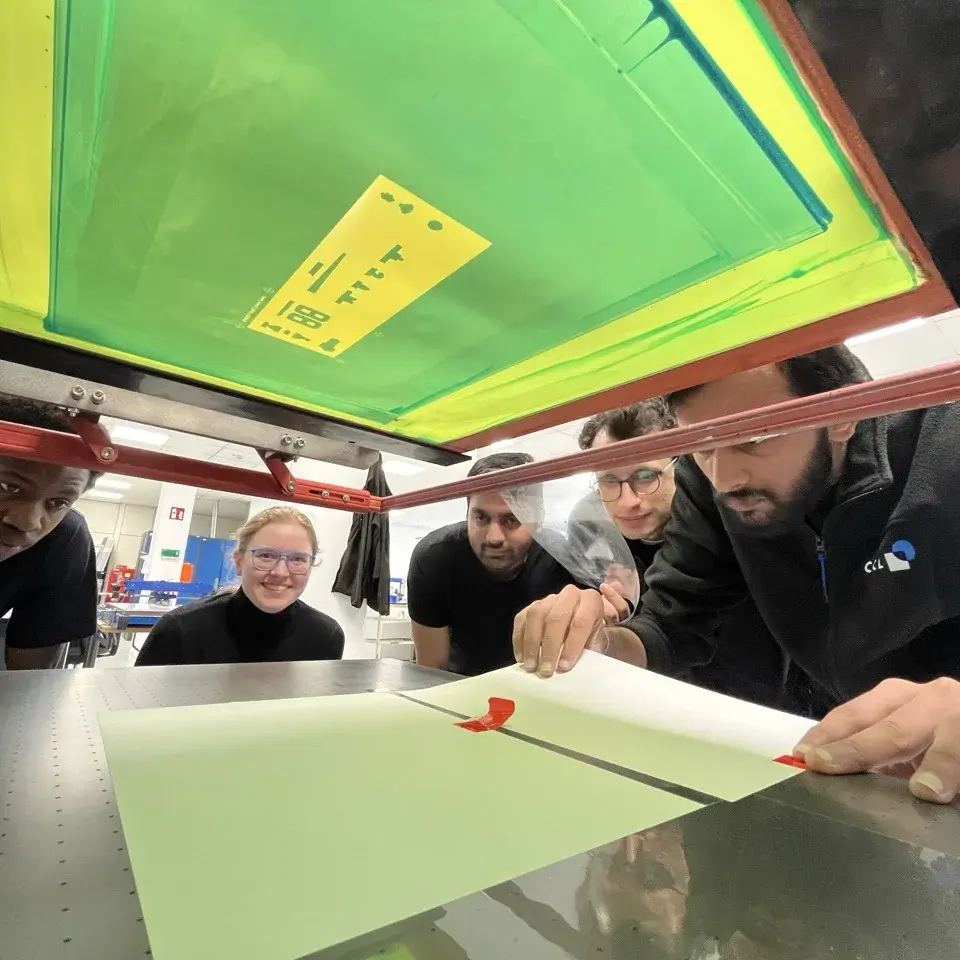
Printed Electronics
This Advanced Lab Screen Printing was conducted as a one-week intensive seminar at CCL Design in Nufringen, replacing the regular weekly lectures of the semester. It was organised by Professor Lindenmann in collaboration with Andreas Willfahrt, R&D manager at CCL Design, and was carried out by a group of six students.
The target of this project was to design and manufacture a functional membrane switch as part of a human-machine interface (HMI), following predefined technical specifications. The system consists of multiple layers and integrates different components such as LEDs, a metal dome switch, a graphic overlay, and an Arduino-based control unit. After assembly, the final product is tested to verify its functionality.
Both the graphic overlay and the conductor tail were printed using screen printing. This technology is typically used for printed electronics because one of the advantages is the ability to print silver and carbon inks, which contain large pigments. It is also important to print a specific amount of ink in order to generate a certain thickness and provide a functional conductor track.
The project provides practical insight into industrial screen printing processes, and also requires know-how in electronics, product design and mechanical components in modern HMI systems.
Campaign Management
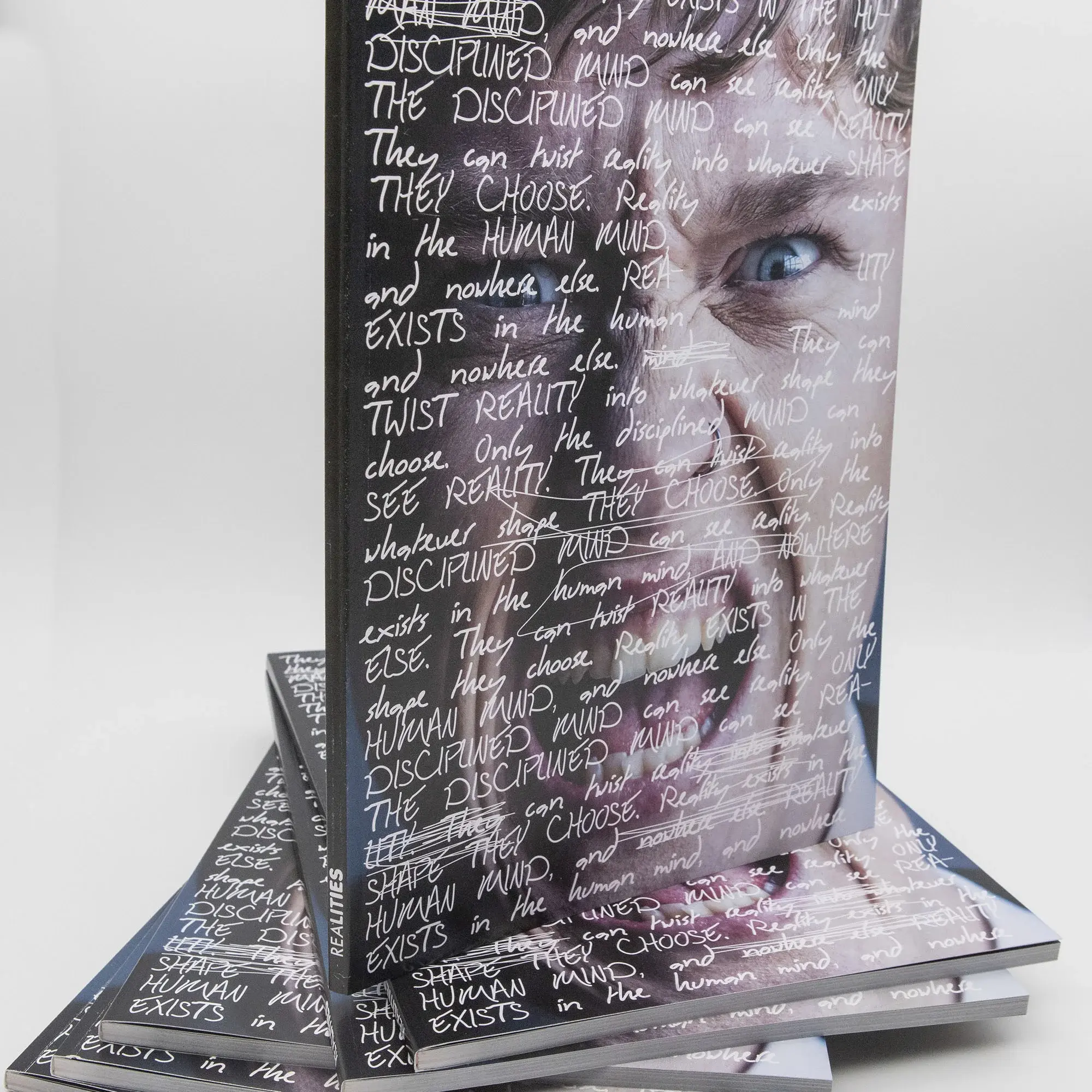
REA𝗟𝗜𝗧𝗜𝗘𝗦
This semester’s campaign management lectures project: “REA𝗟𝗜𝗧𝗜𝗘𝗦” was inspired by the George Orwell novel “1984” re-imagining its themes of truth and power. Prof. Dr. Volker Jansen lead team of more than 70 students from different study courses at Stuttgart Media University and exchange students from our minor program worked together to create a complete campaign, including a professional photo shoot, a short film, a webpage, and, of course, a printed book.
Superviser
Prof. Dr. Volker Jansen
Product Developement
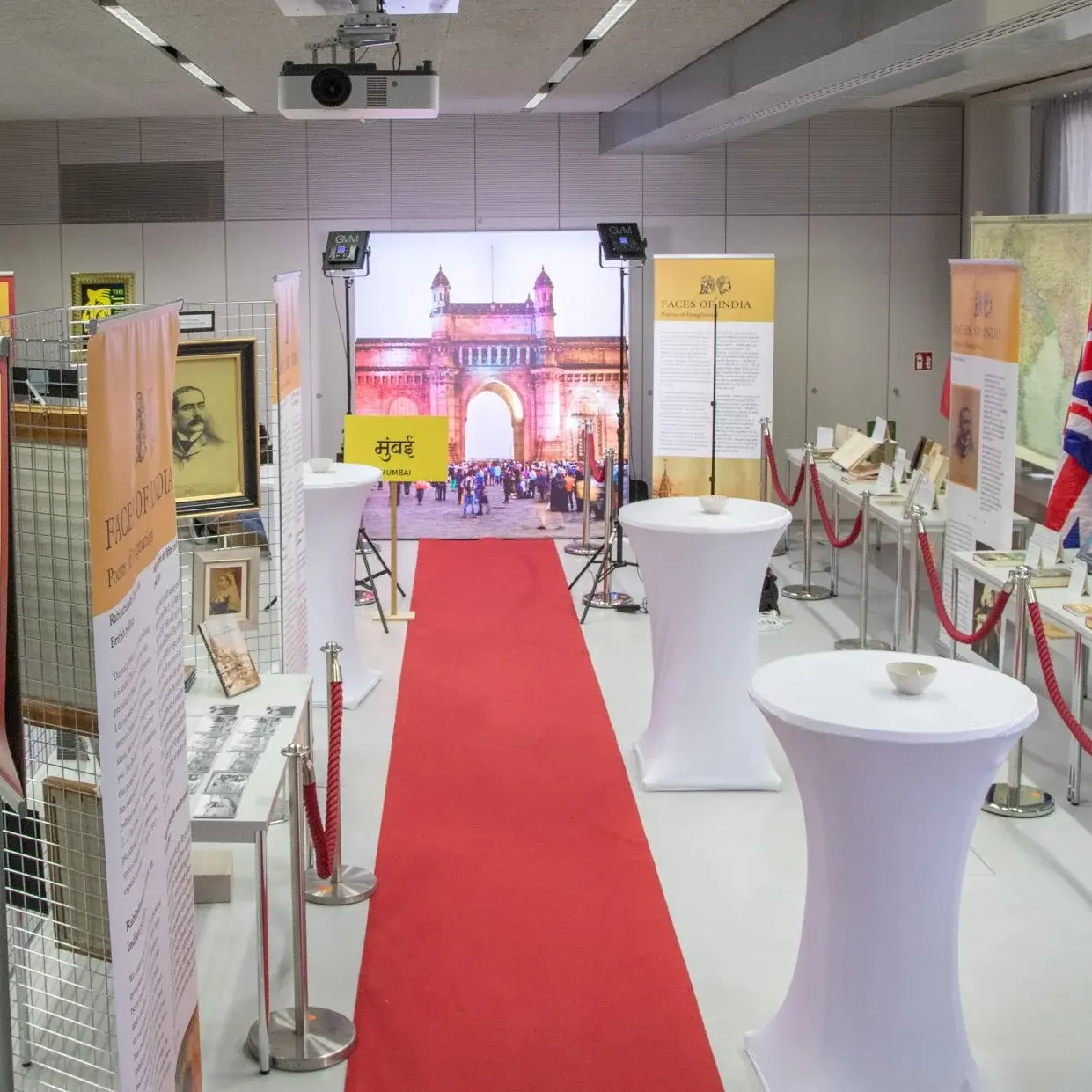
Faces of India
Students have completed a book project entitled ‘Faces of India – Poems of Imagination’: it combines poems by Rabindranath Tagore and Rudyard Kipling with photographs and highlights the contrasts between colonial and Indian perspectives in British India around 1900. The project was supervised by Prof. Dr Volker Jansen and Sebastian Paul as part of the Print Media and Packaging Technologies degree programme.
‘Faces of India’ was developed as part of the ‘Product Development’ module, which ran throughout the winter semester 2024/2025 and the summer semester 2025. The students Layla Abdelsalam, Krunal Dhaduk, Ana Llupa, Malik Rehman, Eduardo Rojas Palacios and Will Smith contributed perspectives from various countries – some with a personal connection to Pakistan.
The book centres on the poems of Nobel Prize-winning authors Rabindranath Tagore and Rudyard Kipling, who is best known for the children’s classic *The Jungle Book*. The works are accompanied by photographs. Both authors were born in India: Tagore in Calcutta, Kipling in Bombay. Whilst Tagore lived in India, Kipling spent much of his life in England. Despite their different life paths, the writers had a decisive influence on the image of India in the Western world. Tagore championed cultural exchange and self-determination and opposed colonial oppression, whilst Kipling espoused the colonialist ideal of progress. Thus, ‘Faces of India’ aims to illustrate how the two Nobel laureates influenced the romanticised image of India for readers worldwide in different ways.
Campaign Management
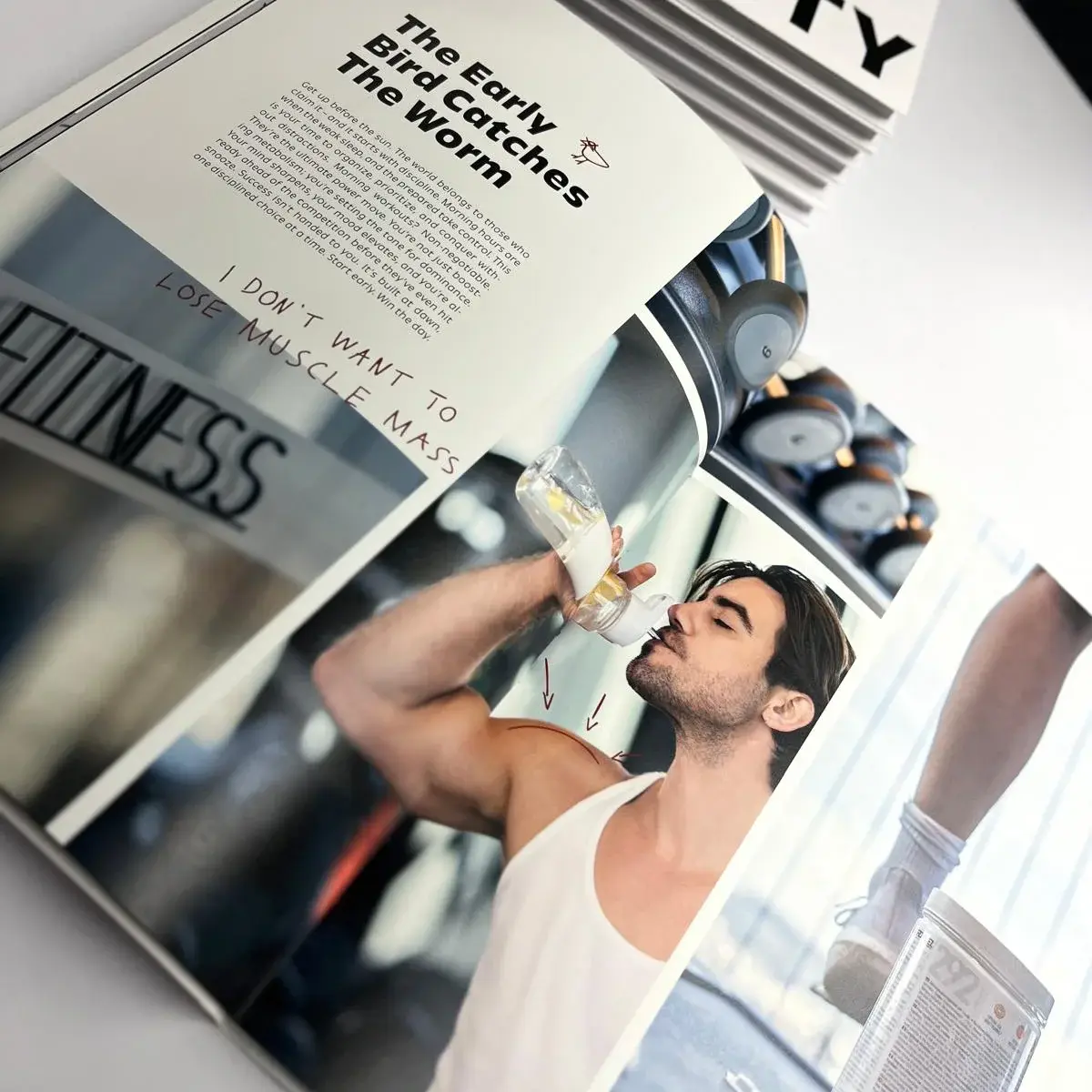
FitInSanity
In an impressive display of innovation and collaboration, students from Print Media Technologies and Packaging Technologies, Werbung und Marktkommunikation, Medienwirtschaft, Informationsdesign, Wirtschaftsingenieurwesen Medien and exchange students at Hochschule der Medien (HdM) in Stuttgart and have brought to life “FitInSanity”, a modern photobook inspired by by Bret Easton Ellis’ controversial novel, American Psycho. The project, part of the ‘Campaign Management’ course led by Professor Dr. Volker Jansen and Prof. Dr. Lindenmann serves as a testament to the integration of creative processes with cutting-edge technology.
FitInsanity is a bold, satirical photobook that reimagines Bret Easton Ellis’ American Psycho through the lens of modern self-help culture. Blending dark humor with sharp social commentary, the book parodies society’s obsession with perfection, productivity, and physical appearance—turning the unsettling world of Patrick Bateman into a twisted guide for “self-improvement.”
The project began with conceptualization and visual storytelling, translating the novel’s dark, satirical tone into compelling imagery through original photography and carefully crafted graphic design layouts. The students were divided into the groups (Layout, Photoshooting, Post Production, Print, Website, Media Night and Social Media) each responsible for the specific task.
The project didn’t stop at the creative phase. Students also took full responsibility for the technical aspects of print production, showcasing their comprehensive understanding of the entire workflow from concept to final product. This process began with an intensive photoshooting phase, where students meticulously planned and executed each shot to align with the book’s satirical and dark aesthetic. They managed all aspects of the shoot, including set design, lighting setups, model direction, and composition techniques, ensuring that every image captured the unsettling, stylized tone inspired by American Psycho.
Following the shoot, the focus shifted to post-production, where students applied advanced photo editing and retouching techniques to enhance the visual narrative. This involved color grading to create atmospheric consistency, contrast adjustments, image manipulation, and detailed retouching to emphasize the book’s sharp, polished look while maintaining its edgy, satirical undertone. The post-production phase was crucial in transforming raw images into powerful visual statements that complemented the book’s theme.
The project culminated in the physical printing process, where students operated professional-grade equipment, carefully selecting paper stocks, ink types, and finishing techniques. They explored various binding methods—from perfect binding to more experimental approaches—to enhance the book’s tactile and visual appeal. Special attention was given to coating options and embossing to add texture and depth to the final product.
Beyond the printed book, students also extended their efforts into the digital realm, creating and managing content for social media platforms such as Instagram, TikTok, and LinkedIn. Additionally, students developed a dedicated website to serve as a digital hub for the project. The website featured detailed information about the book, an online gallery showcasing key visuals, and insights into the production process. It provided an interactive space for audiences to explore the project beyond the physical book, highlighting the students’ skills in web design, content management, and digital storytelling.
Product Developement

In an impressive display of innovation and collaboration, students from the undergraduate Print Media Technologies program at Hochschule der Medien (HdM) in Stuttgart have brought to life “Aladdin and the Wonderful Genie,” a modern rendition of the timeless tale. The project, part of the ‘Product Development’ course led by Professor Dr. Volker Jansen, serves as a testament to the integration of traditional creative processes with cutting-edge technology.
“Aladdin and the Wonderful Genie” is the result of extensive efforts by a diverse group of students who were involved in every stage of production. From creative writing to the final binding, the project reflects the comprehensive skill set that the students have developed during their studies. The initiative not only challenged their technical abilities but also fostered creativity, teamwork, and problem-solving skills.
The story itself is a collaborative creation by authors Andrew Weale and Shadi Al-Hussaini, whose imaginative narrative forms the backbone of the project. Students were tasked with transforming this narrative into a visually engaging book. This involved creating AI-supported images, a process that required both artistic vision and technical prowess. The students experimented with various AI tools to generate images that complement the magical essence of the tale, ensuring that each illustration added depth and dimension to the story.
The production phase showcased the students’ expertise in modern printing technologies. Utilizing both digital and screen printing methods, they produced high-quality prints that maintained the vibrancy and detail of the AI-generated images. The layout design was meticulously crafted to ensure a seamless flow of the story, enhancing the reader’s experience.
Binding and finishing were conducted in the university’s state-of-the-art technology center, where students employed traditional bookbinding techniques to create a durable and aesthetically pleasing final product. This hands-on experience was invaluable, providing students with a comprehensive understanding of the entire production process.
Finally, “Aladdin and the Wonderful Genie” is a shining example of what can be achieved through the synergy of creativity and technology. The project not only highlights the talents and dedication of the students at Hochschule der Medien, but also serves as an inspiration for future endeavors in the field of print media technologies. As they step into their professional careers, these students carry a profound understanding of the intricate dance between traditional craftsmanship and modern innovation, ready to push the boundaries of what’s possible in the world of print media.